The printing cost is not the problem. You can get 1,500 paper stamp cards printed for around £30. That is two pence per card. Even if half of them end up lost at the bottom of someone's bag or stuffed in a kitchen drawer, the material cost is still negligible.
The cost that actually matters is the one you cannot see on an invoice.
What You Are Actually Paying For
Every time a customer takes one of your paper stamp cards and does not come back, you have lost something you cannot quantify. Not the two pence. The customer. And the part that stings is that you have no idea whether they stopped coming because they lost the card, because life got in the way, because they tried somewhere new and liked it, or because something went wrong and you never knew about it.
With paper, all of that looks identical. Silence. A card that never came back and a customer you cannot account for.
That invisibility is the real cost. Not £30 per 1,500 cards. The inability to know what is working, who is drifting, and what to do about it.
The Maths Most Café Owners Have Never Done
Take a café serving 80 customers a day. Some of those are regulars. Some are people who came in, enjoyed it, and could easily become regulars — but nobody is doing anything to make that happen.
The question paper gives you no way to answer is: which is which?
The average independent coffee shop in the UK turns over around £150,000 a year. Even if just 5% of that comes from customers who could have been retained with the right system but weren't, that is £7,500 walking out the door annually. Not dramatically. Not all at once. Just quietly, one lapsed regular at a time, with no way to know it is happening.
The research backs this up. A study by Merkle found that 79% of consumers are more likely to continue doing business with a brand because of its loyalty programme — a figure echoed by Bond Brand Loyalty whose own research put the number at 78%. If you want to see what that looks like in practice for an independent café, it is worth watching The Hotel Inspector, Series 20, Episode 6, which aired on Channel 5 in August 2025. Alex Polizzi visits Metro Cafe in Chorlton, Manchester, and makes exactly this point to the owners. The episode is on Channel 5's website and well worth an hour of your time if you run an independent food business.
You have no idea how many customers you are genuinely retaining, how many are drifting, or what the gap between those two numbers costs you over a year. You just know what came through the till today. Everything else is invisible.
That invisibility has a price. The problem is you cannot see it on any report.
What I Saw When I Ran Shakes 2GO
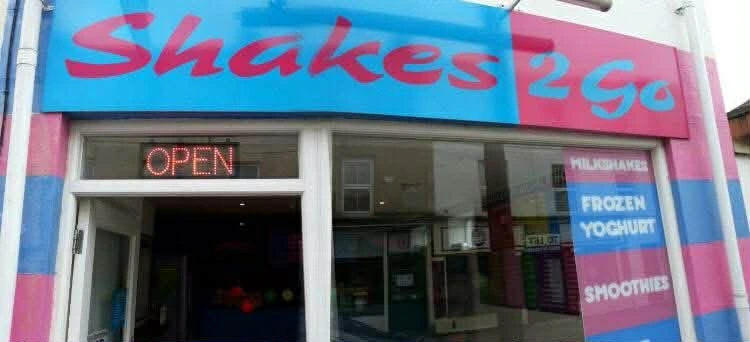
I handed out paper stamp cards at my milkshake and smoothie shop. The printing cost was fine. What I could not account for was the customers who took a card, came back once or twice, then disappeared. Had they moved on? Did something put them off? Were they just busy for a few weeks and about to return?
I had no answers because the card gave me none. A paper stamp card records one thing: that someone bought enough to earn a reward. It cannot tell you how often they visited, when they last came in, or whether your loyalty scheme influenced their behaviour at all. It just sits in someone's wallet waiting to either come back or not.
💡 The Data You Are Missing
A paper stamp card tells you a customer bought nine coffees. A digital loyalty card tells you how often they visit, when they last came in, and how your scheme is performing over time. One is a token. The other is information.
The Opportunity Cost Nobody Talks About
This is the part that most café owners have not considered, and it is where the real money is.
When your customers join a digital loyalty scheme, you begin building a database. Not just stamp counts. An actual list of people who have told you, through their behaviour, that they like what you do enough to come back for it. Most café owners have never thought of their customer list as something they own. With paper, they don't. With digital, they do.
Think about what you could do with it.
You decide to run a barista coffee training course on a Saturday morning. Ten spaces at £30 each. You send a text to your loyalty customers at 9am on a Tuesday. By lunchtime you have filled it. That is £300 in the diary from one text message — more than double the entire annual cost of PerQ. Without a customer database, you are putting a post on Instagram and hoping the right people see it.
The same applies to a Mother's Day afternoon tea. Sixteen covers at £30 a head — eight tables of two. Send a text to your customers two weeks out. The kind of people who already love your café are exactly the kind of people who book afternoon tea for their mum. That is £480, largely sold before you have printed the menus. More than three times what PerQ costs for the year. From one text.
A paper stamp card gives you none of that. It cannot be marketed to. It cannot be contacted. It just sits in a drawer and hopes for the best.
The café owner with a digital loyalty database is running a fundamentally different business from the one without. One is reliant on footfall and hoping regulars turn up. The other has a direct line to their most loyal customers whenever they have something worth saying.
Why Phone Numbers Beat Email Addresses for a Café
When most people think about building a customer database, they think about email. Email is fine for a monthly newsletter or a round-up of what's new. But for a café trying to fill seats on a quiet Tuesday or shift the last few spaces on a Mother's Day event, email is the wrong tool.
Text message open rates sit at around 98%, according to research cited by Forbes and Validity. Email open rates for small businesses average somewhere between 20% and 30%. But the stat that really makes the case is this one: 90% of text messages are read within three minutes of being received. When you send an email, a significant portion never get opened at all — and the ones that do might sit unread for days.
That is the reason PerQ collects phone numbers as the priority piece of customer data rather than email addresses. A phone number is a direct line. An email address is a letter that might get opened, filed, or lost in a promotions tab.

Email has its place. A monthly roundup, a seasonal menu launch, a longer piece of news — email suits all of that. But when you need people to act today, text is the only direct marketing channel that reliably gets read in the moment it is sent.
Paper Gives You Transactions. Digital Gives You a Business Asset.
A paper stamp card does one thing. It records that a customer bought enough to earn a reward. That is all. No name. No contact details. No visit history. No way to reach them. When they walk out the door, they are gone and you have nothing.
A digital loyalty database is a different thing entirely. It is a list of real people who have already spent money with you and liked it enough to come back. That list does not expire. It does not get lost down the back of a sofa. And every time someone new joins your scheme, it gets more valuable.
Think of it less like a loyalty programme and more like a bank account. Every customer who joins is a deposit. Every event you promote, every quiet Tuesday you need to fill, every Mother's Day afternoon tea with six seats left — you make a withdrawal. You contact the people most likely to say yes, because they already have. They know you. They trust you. You are not advertising to strangers. You are talking to customers.
That is the asset paper can never build you. Not because the technology is complicated. Because paper has no memory.
Running Paper and Digital Together
Switching does not mean throwing your paper cards in the bin on day one. Most café owners run both in parallel for the first few weeks, letting paper cards play out naturally as customers complete them, while new customers go straight onto the digital system. There is no hard cutover needed and no awkward conversation with regulars.
The digital database builds quietly in the background from the moment you start. By the time paper has faded out on its own, you already have something paper could never have given you.
What PerQ Costs vs What Paper Costs
PerQ is only £12 per month — £144 per year. Paper stamp cards cost around £30 per 1,500. On pure print cost alone, paper looks cheaper. But paper generates zero data, zero contact details, and zero ability to market to the customers who took one. You are not comparing two loyalty systems. You are comparing a cost with an asset.
💡 No App Download Required
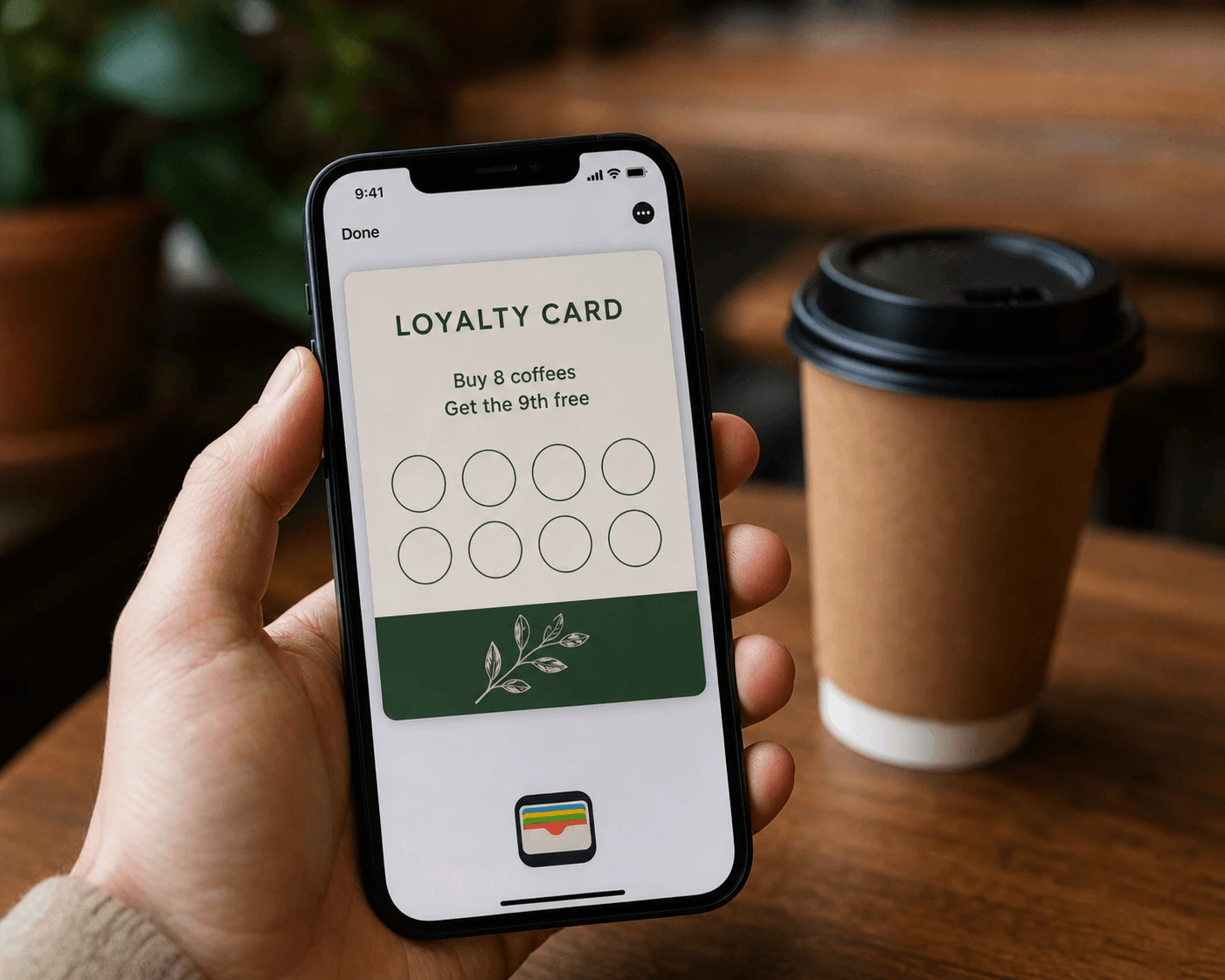
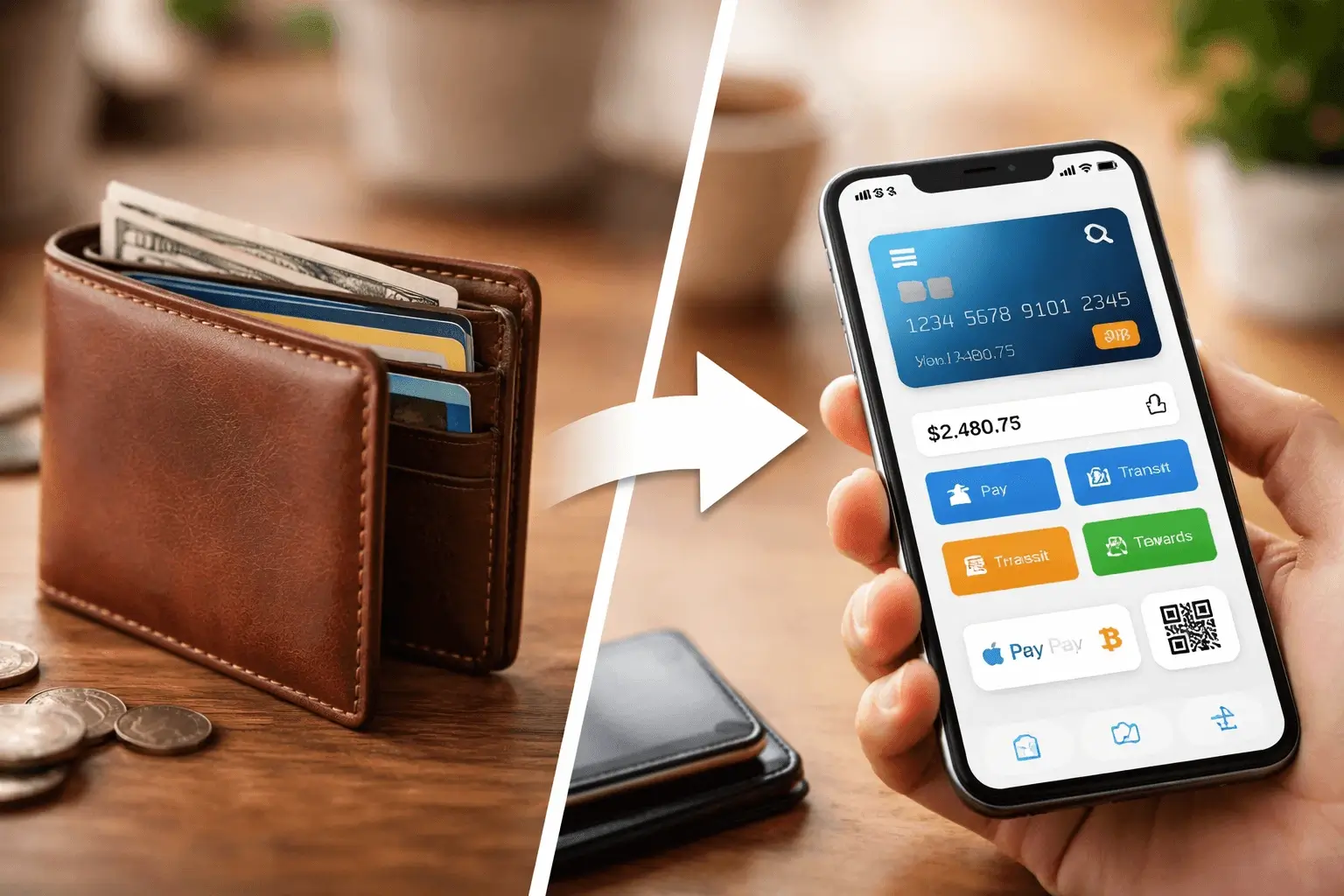
PerQ works through Apple Wallet and Google Wallet, which are already on your customers' phones. A customer scans a QR code on your counter and their digital stamp card is added in under ten seconds. No account. No password. No download.
Frequently Asked Questions
How much do paper stamp cards cost for a café?
You can get 1,500 paper stamp cards printed for around £30, making the unit cost roughly two pence per card. The printing cost itself is not the issue. The real cost is the absence of data — there is no way to track which customers are returning, which are drifting, or whether the scheme is working at all.
Are paper loyalty cards worth it for independent cafés?
They work, up to a point. The point they stop working is the moment you want to do anything beyond hoping the card comes back. No data. No contact details. No way to reach the person who took one.
What is the best loyalty card system for a small café?
A wallet-based digital loyalty card through Apple Wallet or Google Wallet is the most practical option for most independents. There is no app for customers to download, no hardware to buy, and no complicated setup. PerQ is only £12 per month, with no setup fee and no long-term contract.